
Category

Assisted Living Options

Post-Hospital Rehabilitation in Bay City, MI: From Hospital to Home

By Assisted Living Insight, Assisted Living Options, Assisted Living Tips

What Is Post-Hospital Rehabilitation?

Post-hospital rehabilitation is short-term skilled nursing and therapy for people who are medically stable enough to leave the hospital but are not yet ready to recover safely at home.

The Space Between Hospital and Home

Hearing that you are medically ready to leave the hospital is one of the best sentences in hospital care. But it is also, often, the moment the real questions start.

Can you manage the stairs? Get in and out of the shower without help? Walk to the kitchen without holding onto every wall along the way? And who is keeping track of the new medications, the follow-up appointments, and the changes to your care plan?

This is the gap that post-acute skilled nursing and rehabilitation is built to close. Instead of moving straight from a hospital bed into managing everything alone, guests get time and support to rebuild strength, relearn everyday tasks, adjust to new limitations, and work back toward independence (with a clinical team right beside them).

At Symphony Tri-Cities in Bay City, the Skilled Nursing & Rehabilitation program exists to bridge that exact transition. From our location at 6700 Westside Saginaw Road, we serve families across Bay City, Saginaw, and Midland.

Who Can Benefit From Post-Hospital Rehabilitation?

People who may benefit include those recovering from:

  • Joint replacement or orthopedic surgery
  • Stroke or brain injury
  • Cardiac procedures
  • Pneumonia and pulmonary conditions
  • Complex or non-healing wounds requiring skilled care
  • Neurological conditions
  • Extended hospitalization and loss of strength
  • Other surgeries requiring additional recovery before returning home

Here’s what that recovery process looks like, step by step.

Step 1: Coordinating the Hospital-to-Rehab Transition

A Transitions Coach From Day One

Leaving the hospital is never just a change of address.

There are medications to review, doctors to follow up with, equipment to arrange, insurance questions to sort out, and a whole care team that needs to stay in sync. It’s a lot to track even on a good day (and discharge rarely happens on a good day).

That’s why every guest at Symphony Tri-Cities is paired with a Transitions Coach. Your coach follows the details that tend to slip through the cracks during a transfer of care, managing the medical and logistical threads of the move from hospital to home. Throughout, the focus stays fixed on function, safety, and independence.

For guests and families, having one dedicated person watching the bigger picture turns a complicated stretch into something far more manageable. Because getting home is only half the job. Getting home ready is the part that actually matters.

How to Arrange Post-Hospital Rehabilitation Before Discharge

  • Consult early with your hospital social worker or discharge planner during your stay.
  • Confirm that the selected facility can accommodate the patient’s precise clinical requirements.
  • Compile complete medical discharge records alongside current medication lists.
  • Verify insurance coverage in advance to help avoid delays during the transition.


Step 2: Physical, Occupational & Speech Therapy

No two recoveries look the same.

Someone recovering from a hip replacement needs to rebuild strength and relearn how to walk safely. Someone recovering from a stroke may need help with balance, communication, or the small tasks of daily life. Someone who spent days in a hospital bed may just need to recover the endurance that bedrest quietly drained away.

Rehabilitation at Symphony Tri-Cities starts with a plan built around the individual, not the diagnosis. The physician, rehabilitation team, and discharge coordinator work together to set goals specific to each guest. As progress happens, the plan evolves with it, adding new goals to keep the path toward independence moving forward.

Depending on the guest’s needs, that plan may draw on three disciplines.

Types of Rehabilitation Therapy

Therapy What It Can Help With
Physical Therapy Walking, balance, strength, stairs, endurance and mobility
Occupational Therapy Bathing, dressing, toileting, eating and other daily activities
Speech Therapy Communication, cognition, problem-solving and swallowing

Physical Therapy

Physical therapy hones the movements everyday life depends on: strength, endurance, balance, mobility, walking. The goal might be standing up from a chair without help, walking a little farther each day, managing a flight of stairs, or simply moving without the constant fear of falling.

Occupational Therapy

Occupational therapy rebuilds independence in daily living: dressing, bathing, eating, using the bathroom, moving safely through the home. These are the routines most of us never think about until they become hard. Therapy here is practice for the exact things a guest will need to do the moment they’re home.

Speech Therapy

Speech therapy often does far more than its name suggests. Depending on what recovery requires, a speech-language pathologist may work with a guest on communication, cognition, problem-solving, or swallowing safely.

Together, these three disciplines let our team see past a single injury or diagnosis to the whole person. Our therapists also use advanced tools, including Nautilus-style exercise equipment, to help guests build real strength and stamina as they go.

Step 3: Skilled Nursing and Clinical Support During Rehabilitation

Recovery is rarely a straight line.

One day brings a real breakthrough. The next might bring fatigue, pain, or a new wrinkle that reshapes the plan. Having a clinical team nearby means changes can be recognized and addressed promptly instead of missed.

Post-hospital rehabilitation guests at Symphony Tri-Cities are overseen by a physiatrist, alongside a broader team of physicians, physical and occupational therapists and assistants, speech-language pathologists, nurses and nursing assistants, dietitians, social workers, case managers, and discharge coordinators.

That range matters most when recovery involves more than rebuilding strength. Symphony’s rehabilitation staff works with guests recovering from orthopedic surgery and joint replacement, cardiac procedures, neurological conditions, stroke and brain injury, pulmonary conditions, complex wounds, and other medical challenges.

Each team member sees recovery from a different vantage point. Bring those perspectives together, and recovery becomes genuinely coordinated care.

Step 4: Discharge Planning for a Safe Return Home

Good rehabilitation prepares you for the day you leave, which means discharge planning has to start long before discharge day.

Before a guest heads home, the Symphony Tri-Cities team evaluates whether they can safely manage daily activities on their own. When needed, the team can also assess the home itself, spotting challenges before they become obstacles. Hospital and home evaluations are both part of the transition process.

It’s worth thinking through the small things that can become very large things after an illness or surgery:

  • Is the bathroom easy to get into with a walker?
  • Can the guest get out of bed safely on their own?
  • Are there stairs between the bedroom and the kitchen?
  • Will a shower chair, walker, or other equipment be needed at home?
  • Does someone need to arrange home health services?

These questions are far easier to answer before someone walks through their own front door than after. Symphony’s discharge team helps coordinate the services and equipment the next stage of care requires so the transition feels planned, not abrupt.

How Do You Know If Someone Needs Rehabilitation Before Going Home?

Consider the following aspects about your loved one to determine whether rehabilitation is required before discharge:

  • Cannot safely walk independently
  • Needs help getting in/out of bed
  • Cannot safely use stairs
  • Needs help bathing or dressing
  • Requires continued nursing care
  • Has difficulty swallowing or communicating
  • Needs therapy following surgery or illness
  • Requires equipment or home-care coordination before discharge

Rehabilitation That Still Feels Like Home

Needing rehabilitation doesn’t mean giving up comfort, familiarity, or connection. If anything, those things matter more during recovery, not less.

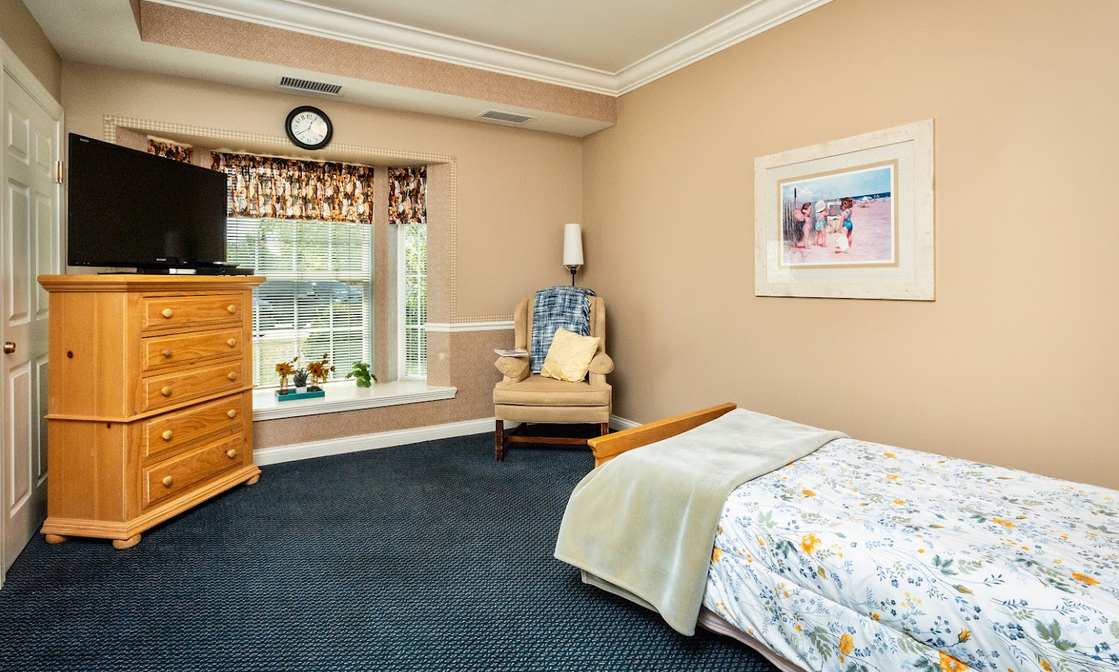
Symphony Tri-Cities was built to feel less like an institution and more like a comfortable cottage. Guests get full access to rehabilitation and skilled nursing care while living somewhere designed around warmth and everyday comfort.

That context alters what rehabilitation feels like: shared meals, familiar faces, downtime between sessions, and the gradual, steady sense of feeling like yourself again.

Frequently Asked Questions About Post-Hospital Rehabilitation

What is post-hospital rehabilitation?
Post-hospital rehabilitation provides short-term nursing and therapy to help you recover safely before returning home.

Who needs skilled nursing rehabilitation after a hospital stay?
It can help people recovering from surgery, stroke, injury, illness, or weakness who are not yet ready to return home safely.

What is the difference between skilled nursing rehabilitation and home health?
Skilled nursing rehab provides round-the-clock on-site care and therapy, while home health provides scheduled support after you return home.

What types of therapy are available during short-term rehabilitation?
Short-term rehabilitation may include physical, occupational, and speech therapy based on your recovery needs and goals.

Can rehabilitation help after a stroke or joint replacement?
Yes. Rehabilitation can help rebuild strength, mobility, balance, and daily living skills after a stroke or joint replacement.

When does discharge planning begin?
Discharge planning begins early in the stay and evolves with your progress, including home safety, equipment, and follow-up needs.

How do families choose a rehabilitation facility after hospitalization?
Look for strong clinical oversight, personalized therapy, discharge planning, experienced staff, and a setting that feels comfortable.

Does Medicare cover post-hospital rehabilitation?
Coverage depends on specific medical conditions and qualifying hospital stays, and Medicare Advantage plan rules can differ. You can review official guidelines on the Medicare skilled nursing coverage page, though coverage is never guaranteed without verification.

Where are the Symphony Tri-Cities located?
Symphony Tri-Cities is at 6700 Westside Saginaw Rd, Bay City, MI 48706, serving families across Bay City, Saginaw, and Midland.

Planning for Life After the Hospital?

If you or someone you love is getting ready to leave the hospital but isn’t quite ready to manage safely at home, it’s worth asking about post-acute rehabilitation before discharge day arrives.

Symphony Tri-Cities provides Skilled Nursing & Rehabilitation at 6700 Westside Saginaw Road in Bay City; centrally located for families across Bay City, Saginaw, and Midland.

To learn more or talk through an upcoming hospital discharge, call (989) 667-9800, submit an inquiry through the Symphony Tri-Cities website, or connect with a representative through live chat. In-person and virtual tours are both available.
Symphony Lobby Image

The Real Cost of Assisted Living in Bay City, Michigan

By Assisted Living Options, Family Resources, Senior Living Guides

When families start researching senior care in Bay City, one question comes up before any other: What does assisted living actually cost, and what do you get for that price?

It’s the right question to ask, and often a hard one to answer. Every community prices things differently, and comparing brochures side by side rarely provides the assurances families truly need. Given how much rides on getting this right, it’s easy to see why cost sits at the center of every conversation.

This guide walks through what assisted living and memory care actually cost in Bay City, how to decode confusing pricing structures, which floor plans fit which budgets, and where families can find real savings.

How Assisted Living Pricing Works in Bay City

Not every community prices care the same way, and that difference shapes your monthly bill more than almost anything else.

Some facilities advertise a low base rate, then tack on separate fees for nearly everything: medication administration, laundry, extra help getting dressed. These charges add up fast, and they shift from month to month as a resident’s needs change. Families end up budgeting for a moving target, which makes real financial planning almost impossible.

An all-inclusive model fixes that problem at the source. You pay one predictable rate, and that rate covers care regardless of how those needs evolve over time.

How Much Does Assisted Living Cost?

At Symphony Tri-Cities, located at 6700 Westside Saginaw Road in Bay City, all-inclusive assisted living starts at $3,100 per month. Here’s what that single rate covers:

  • Care & Health Support:
    Personal assistance with daily activities like bathing, dressing, and mobility, plus professional medication management from trained staff.
  • Dining:
    Chef-prepared meals arrive fresh every day, with custom menu options for dietary needs; a signature dessert cart also makes its rounds.
  • Chore-Free Living:
    Staff handle housekeeping, laundry, linen service, and room cleaning, so residents and their families never have to think about any of it again
    .
  • Utilities:
    The rate covers every utility except individual phone service, plus facility-wide Wi-Fi and cable TV.
  • Safety Technology:
    In-room call-light systems, alarmed exits, and a full security camera system to keep residents safe around the clock.

The Cost of Memory Care in Bay City

Memory care costs more than standard assisted living, and once you see what sits behind that price, the reason makes sense.

Supporting someone with Alzheimer’s or dementia takes more than compassion. It takes specialized security to prevent wandering, lower staff-to-resident ratios so residents get real individual attention, and specific therapeutic training most caregivers simply don’t have. All of that adds cost, but it also adds protection for a population that needs it most.

At Symphony Tri-Cities, all-inclusive memory care starts at $3,200 per month; just $100 more than standard assisted living, despite the added security and specialized training that come with it.

That investment funds the Monet Inn, Symphony’s dedicated memory care neighborhood:

  • Secured Freedom:
    Alarmed exits and secured entrances prevent wandering while still letting residents move freely within a safe space.
  • Designed for Serenity:
    Enclosed outdoor courtyards give residents fresh air without added risk, and quiet spots that offer calm moments throughout the day.
  • Dedicated Programming:
    An expertly trained memory care team builds life enrichment programs designed to maintain cognitive function, not just pass the time.

Floor Plans: Matching Your Budget to the Right Space

Few things affect your monthly cost as much as room size, so choosing the right floor plan means weighing budget against space.

Symphony Tri-Cities designs every private suite to feel less like a facility and more like a cozy cottage.

  • Buttercup Suite: The most budget-friendly option, at 268 square feet in assisted living or 310 square feet in memory care. Residents still get a kitchenette, a window seat, a private bathroom with storage, and closet space.
  • Coral Bell Suite: A comfortable step up, offering 300 square feet in assisted living or 340 square feet in memory care, with a kitchenette and a larger closet.
  • Geranium & Fox Glove Suites: For families who want more room to spread out, these suites offer 450 to 470 square feet, separate living areas, patio access, and dual-view windows that bring in light from two directions.
  • Hosta Companion Suite: The smart savings play for couples, or any two residents who’d rather share a space than pay for two. At 530 square feet, with a privacy wall and a shared full bathroom, it stretches a family’s budget further without asking either resident to give up their own space entirely.

Savings Families Often Overlook

The monthly rate only tells half the financial story. Once you account for what you no longer pay for, the real cost of assisted living usually looks smaller than it first appears.

Moving into assisted living eliminates a long list of homeownership expenses families forget to count:

Add these savings into the comparison, and the gap between staying home and moving to Symphony often shrinks, sometimes it disappears entirely.

Respite Care

If you’re still not sure Symphony is the right fit, Respite Care lets you find out without committing to anything long-term. This short-term stay option gives families a real trial run: the services, the dining, the day-to-day rhythm; before anyone signs a long-term contract.

Planning Ahead: Medicaid and Long-Term Care

Personal savings don’t last forever, and planning for that reality now prevents a painful scramble later.

This is where a continuum-of-care campus pays off. Symphony Tri-Cities offers long-term care rooms in the same cottage-like setting as its other suites, and it holds 42 Medicare and Medicaid certified beds. That means a resident who exhausts personal savings doesn’t have to leave the community they already know to keep receiving care.

That continuity matters more than most families realize going in. Because Symphony offers skilled nursing, memory care, and long-term care all on one campus, residents never face the stress or added cost of moving to a completely different facility as their needs increase. They stay in the same rooms, near the same staff, surrounded by the same community, even as their care evolves.

The True Value of Care

A community centrally located between Bay City, Saginaw, and Midland puts your family within easy reach no matter which of the three cities you call home. That convenience counts for even more once winter sets in. Bay City winters bring real beauty, but they also bring snow that needs shoveling and ice that turns driveways into hazards: chores that quietly become dangerous for seniors living alone.

The real cost of assisted living was never just a dollar figure. Measure it in the time it gives back to families, the safety it restores to seniors living alone, and the relief that comes from knowing someone you love is genuinely cared for.

If you are ready to see what that looks like in person:

Take a virtual video tour, or call the Bay City campus directly at (989) 667-9800 to talk through a care plan built around your family’s needs.

If you prefer to skip the forms entirely, tap the live chat icon on the Symphony website and get your questions answered right now.

How to Choose an Assisted Living Community: A Step-by-Step Checklist

By Assisted Living Options, Family Resources, Senior Living Guides

It’s easy to focus on the wrong things when trying to choose the right senior living community. Every day, families make decisions based on first impressions, online reviews, pricing, and convenience. But the true measure of a community depends on whether your loved one feels safe, respected, connected and at home.

I have written this checklist as a guide for your search, to help you see what matters most, know what questions to ask, and learn how to spot a community that can truly support your loved one’s needs. You’ll likely need to visit more than one community before the right choice becomes clear, so use each tour as a chance to compare how the space feels, how the team interacts with people, and whether the care matches your family’s needs.

Here’s what to look for, starting with one of the most overlooked factors: whether the community can grow with your loved one’s needs over time.

Step 1: Look for a Full Continuum of Care

When choosing a senior care community, think beyond what your loved one needs today. Care needs can change over time, sometimes slowly and sometimes unexpectedly. Choosing a community with a full continuum of care can make those changes easier to manage.

A full continuum of care means the community offers multiple levels of support on one campus. The services include assisted living, memory care, skilled nursing and rehabilitation, and long-term care.

Preparing this way will make future transitions easier. Instead of moving to a completely new facility, aging parents can receive the right care in a familiar place, with staff who already know them.

Step 2: Evaluate Safety and Monitoring Technology

It is not enough to simply look at the security cameras or call lights during a tour; always strive to understand the human protocol and response times behind them. Ask about in-room call lights, alarmed exits, security cameras, and how quickly staff respond when a resident needs help.

Confirm the staff presence throughout the day and night. A strong assisted living or memory care community will have team members available 24/7, along with systems that help them notice changes in a resident’s condition, behavior, or routine.

Step 3: Review Daily Services and Amenities

Daily services can make a big difference in how comfortable and supported your loved one feels there. A good community should help remove the stress of everyday chores while still creating a warm, home-like environment. Residents should not have to worry about missed medications, unwashed laundry, or keeping up with daily chores in an assisted living community. 

Find out what services are included, confirm everything from medication management and help with daily activities, to housekeeping, laundry, and linen service. 

Ask about the dining experience and any extra amenities.
Fresh home-cooked meals, outdoor & recreational activities, complimentary Wi-Fi, and on-site conveniences like a hair salon can all make daily life feel easier, more enjoyable, and more personal.

Step 4: Explore Floor Plan and Accommodations

Many aging parents prefer the privacy of their own suite, while others may feel more comfortable in a larger companion suite. Having choices allows you to find something that fits both your loved one’s needs and your budget.

The right living space makes a big difference. It should feel warm, familiar, and easy to settle into, not cold or clinical.

Step 5: Assess Life Enrichment and Social Programs

The right activities help aging parents stay active, connected, and mentally engaged. When you visit, find what daily programs are offered and how older adults are encouraged to join in.

Look for activities like trivia, arts and crafts, bingo, music, exercise classes, group games, and movie afternoons. These programs can help your loved one build friendships and feel more at home. Symphony’s Dream Maker Program, for example, takes the time to learn about each guest’s lifelong wishes, favorite memories, or special goals. Then the team works to help bring those moments to life. This way, everyone feels connected, valued, and included. 

Step 6: Inspect the Environment and Grounds

Look beyond the rooms and hallways and explore the outdoor spaces. Go through the walking areas, and the places where residents can relax, visit with family, or simply enjoy a quiet moment.

Picture your loved one spending time there. Could they sit outside, enjoy the fresh air, or take a peaceful walk? Symphony Tri-Cities has a space called “Penny Lane” that gives residents a place to enjoy art strolls, gentle movement, and relaxing moments without having to go outside. Spaces like this can make a real difference in daily life by giving seniors more opportunities to move, socialize, and enjoy meaningful moments.

Step 7: Consider a “Test Run” with Respite Care

The best way to know if a place feels right is to experience it firsthand.

Ask if the community offers short-term respite care stays. Respite care gives your loved one the chance to stay for a short period of time before making a long-term commitment. During the stay, they can meet the staff, try the meals, join activities, and get a real feel for the daily routine.

It’s the ultimate source of assurance. Instead of making a decision based only on a tour or a brochure, you can listen to how your loved one talks about their experience:

  • What did they enjoy?
  • What felt comfortable? 
  • What seemed off?
  • Are they more at ease as the stay goes on?

Respite care makes the transition feel less overwhelming for everyone. At Symphony Care Tri-Cities, respite care is available for families who want a short-term stay before choosing long-term care.

Start by Experiencing It for Yourself.

We would love to have you at Symphony Tri-Cities. Schedule a virtual or in-person tour, come see our facilities for yourself, meet our care team, and ask your questions in person. You would see firsthand how our community feels, how our team cares and speaks with residents, and how your loved one would feel safe and supported in our care.